Article: What Actually Makes a Sofa Comfortable Long-Term?

What Actually Makes a Sofa Comfortable Long-Term?
Most sofas are comfortable for about five minutes.
That’s long enough to sit down in a showroom, nod to yourself, and think, yeah, this works. It’s long enough to look good in photos, to feel “supportive” at first touch, and to convince you that you’ve made a solid decision.
Six months later, that confidence is usually gone.
The cushions feel flat or awkward. The seat depth is suddenly wrong. You find yourself constantly adjusting pillows, shifting positions, or choosing a different seat altogether. The sofa didn’t become bad overnight. It just wasn’t designed for long-term comfort in the first place.
Comfort is not a first impression. It’s something you notice over time.
So what actually makes a sofa comfortable long-term?
After years of working with furniture, selling it, living with it, and hearing what people regret after the fact, the answer is clearer than most brands are willing to admit.
Comfort Is About Support, Not Softness
One of the biggest misconceptions is that comfort equals softness.
Softness feels great at first. Deep sink-in cushions, plush fills, and extra padding all signal “luxury” in a showroom. But softness without structure almost always breaks down.
Long-term comfort comes from balanced support. A sofa should give slightly when you sit down, then hold you there. If you sink too far, your posture collapses. If it’s too firm, you never relax.
The best sofas sit somewhere in the middle. They support your body without forcing it into a single position.
This balance is determined by:
-
Cushion density, not just thickness
-
How the cushions are constructed internally
-
How they interact with the frame underneath
If a sofa feels amazing but unstable, overly bouncy, or too plush right away, it’s often a warning sign, not a feature.
Seat Depth Matters More Than Most People Realize
Seat depth is one of the most overlooked comfort factors, and one of the most personal.
A seat that’s too shallow can feel upright and formal, even stiff. Too deep, and you’re constantly slouching or pulling pillows behind your back just to get comfortable.
What makes this tricky is that there’s no single “perfect” depth. It depends on:
- Your height
- How you sit (upright vs relaxed)
- Whether you like your feet flat on the floor or tucked under you
- How the sofa is used day to day
The mistake many brands make is designing for how a sofa looks in a photo, not how it functions in real life. Deep seats look relaxed and modern, but without proper cushion support and back angles, they can become tiring quickly.
Long-term comfort comes from proportions that let you settle in naturally, without effort.
Cushion Construction Outlasts Cushion Feel
Two sofas can feel nearly identical on day one and age completely differently.
That difference usually comes down to what’s inside the cushions.
High-quality foam, layered properly, maintains its shape and support far longer than cheaper alternatives. Feather blends can add comfort and softness, but without a solid foam core, they tend to shift, flatten, and require constant maintenance.
Long-term comfort means:
- Cushions that recover their shape
- Minimal fluffing required
- Even support across the seat, not soft spots that develop over time
If a sofa requires constant adjustment just to feel comfortable, it’s asking too much of you.
The Frame Is the Quiet Foundation
You don’t see the frame, but you feel it every day.
A solid, well-built frame keeps the sofa from flexing, sagging, or creaking over time. It keeps the cushions working as intended. It keeps the entire piece feeling grounded.
When frames are rushed or over-engineered for cost, comfort degrades slowly but inevitably. Seats dip. Support shifts. What once felt balanced starts to feel off, and there’s no easy fix.
Long-term comfort depends on stability. A sofa should feel calm and planted, not reactive.
Fabric Changes How a Sofa Feels Over Time
Fabric choice affects comfort more than people expect.
Some fabrics soften beautifully with use. Others stretch, pill, or trap heat. Some look incredible but feel restrictive or delicate in daily life.
Comfortable sofas are upholstered in fabrics that:
- Move slightly with you
- Hold their shape
- Feel good against skin in all seasons
- Don’t make you overly aware of their presence
If you’re constantly worried about how you’re sitting, what you’re wearing, or whether something will leave a mark, comfort becomes secondary to caution.
Comfort Is About How You Actually Live
The most important factor is also the simplest: how you use your sofa.
Do you sit upright? Lounge sideways? Stretch out fully? Host friends often? Watch movies for hours? Work from the couch? Nap?
A sofa designed for occasional use or visual impact won’t hold up to daily living. Long-term comfort comes from furniture designed for real habits, not idealized ones.
This is why so many people end up disappointed. The sofa looked right, but it wasn’t made for their life.
A Different Approach to Comfort
At Seneca Lane, comfort is not treated as a feature or a selling point. It’s the baseline.
Every piece is designed with long-term use in mind. Proportions are considered carefully. Cushions are balanced for support and relaxation. Materials are chosen for how they behave over time, not just how they photograph.
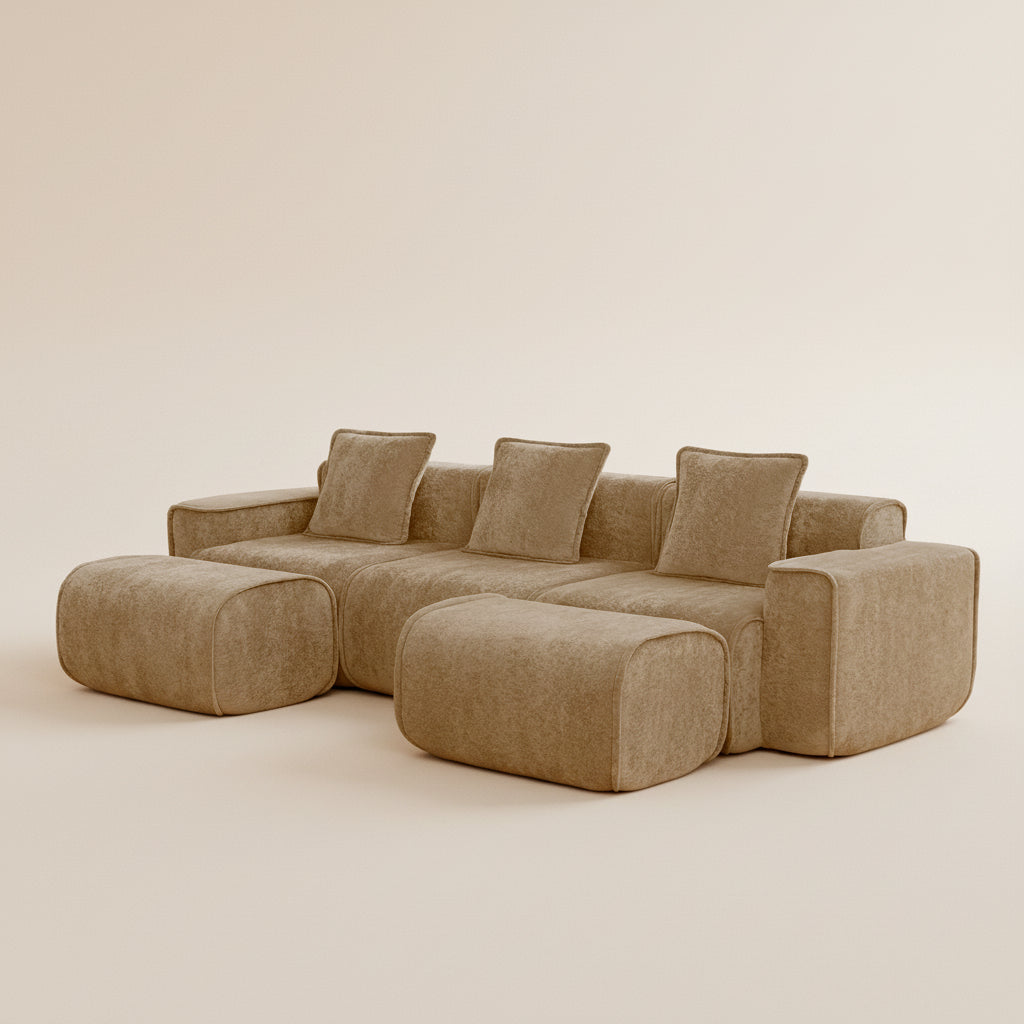
We believe a comfortable sofa should feel good today, and still feel good years from now, without constant adjustment or compromise. That's why we designed the Seneca Sofa to be both aesthetically beautiful, and dangerously comfortable.